
Flat Bottom Junk Mill | Taper Mill | Concave Mill | Economill | Bladed Junk Mill | String Mill | Pil
- PRICE-
- CURRENCYUSD
- BRAND
- Number of product packages
- Shipping cycle
- Price
- Quantity
- PRODUCT DESCRIPTION
- API 7-1
API Spec 7-1 Downhole Milling Tools
Flat Bottom Junk Mill | Taper Mill | Concave Mill | Economill | Bladed Junk Mill | String Mill | Pilot Mill | Skirted Junk Mill
Crushed Sintered Tungsten Carbide & PDC Cutting Matrix | 100% API Spec 7-1 Connections | Engineered for Rapid Casing & Junk Milling | Fast-Track 35–45 Day Delivery
Overview
Engineered for rapid downhole obstruction removal, casing window milling, collapsed casing reaming, and wellbore remediation, our comprehensive Downhole Milling Tools delivers aggressive metal-cutting efficiency and extended tool life in harsh oilfield environments
Manufactured from high-strength AISI 4145H Modified alloy steel with API Spec 7-1 standard rotary shouldered connections, our milling tools are dressed with high-density crushed sintered tungsten carbide (Superloy / Kutrite grade) and optional PDC (Polycrystalline Diamond Compact) inserts
Backed by full Material Test Reports (MTRs), UT/MT non-destructive inspection, and a guaranteed 35–45 day fast-track delivery, we supply high-reliability fishing and milling solutions to drilling contractors and oilfield service companies across North America, Central Asia, the Middle East, and worldwide basins.
Complete Milling Tool & Applications
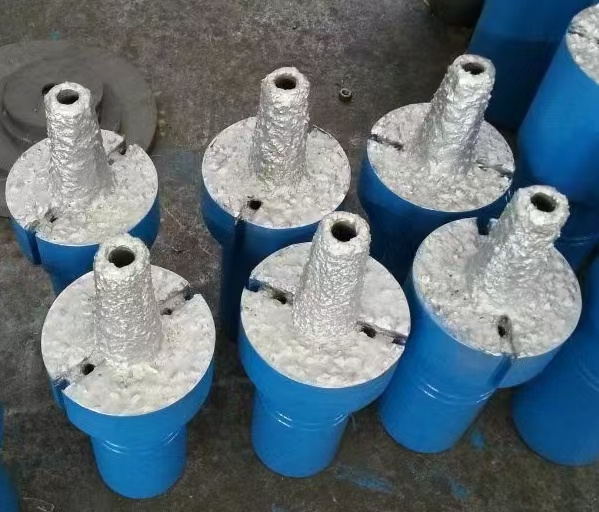
1. Flat Bottom Junk Mill (平底磨鞋)
Design & Cutting Structure: Features a flat cutting face heavily dressed with crushed tungsten carbide and water courses for efficient cuttings evacuation
. Primary Application: Ideal for milling heavy, irregular downhole junk—such as lost roller cones, bit bearings, packers, bridge plugs, and stuck tubulars—at the bottom of the wellbore
.
2. Taper Mill (锥形磨鞋)
Design & Cutting Structure: Constructed with a long, gradually tapered body dressed along the full taper profile with sintered tungsten carbide
. Primary Application: Engineered to ream out collapsed, buckled, or dented casing and tubing, clean out tight spots, and dress off deformed casing windows or whipstock transitions
.
3. Concave Mill (凹底磨鞋)
Design & Cutting Structure: Features a recessed, concave bottom profile that naturally centers loose downhole debris beneath the cutting face
. Primary Application: Prevents round or unstable junk (such as dropped balls, bit cones, and loose tools) from rolling away from the mill face, preventing casing wall damage during milling
.
4. Economill (经济磨鞋)
Design & Cutting Structure: A cost-effective, multi-bladed junk mill dressed with crushed tungsten carbide on both the bottom face and OD stabilizer pads
. Primary Application: Optimized for light-to-medium downhole milling operations, including drilling out cement retainers, cast-iron bridge plugs, packers, and soft metal debris
.
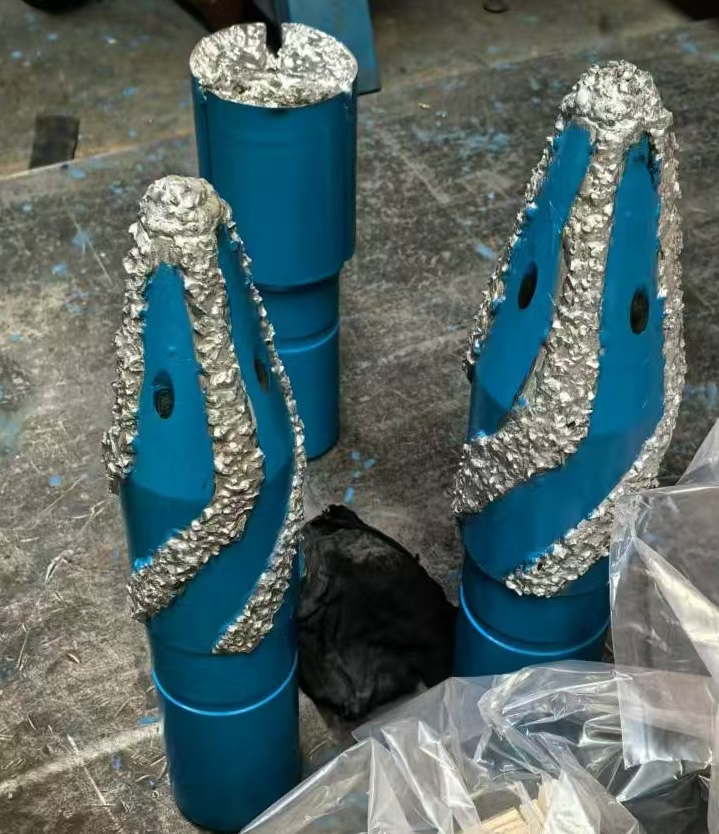
5. Bladed Junk Mill (刀翼磨鞋)
Design & Cutting Structure: Built with heavy-duty vertical cutting blades dressed with dense tungsten carbide and deep junk slots for maximum fluid bypass
. Primary Application: Delivers high penetration rates when milling out long sections of stuck tubulars, packers, liner hangers, and heavy downhole obstructions
.
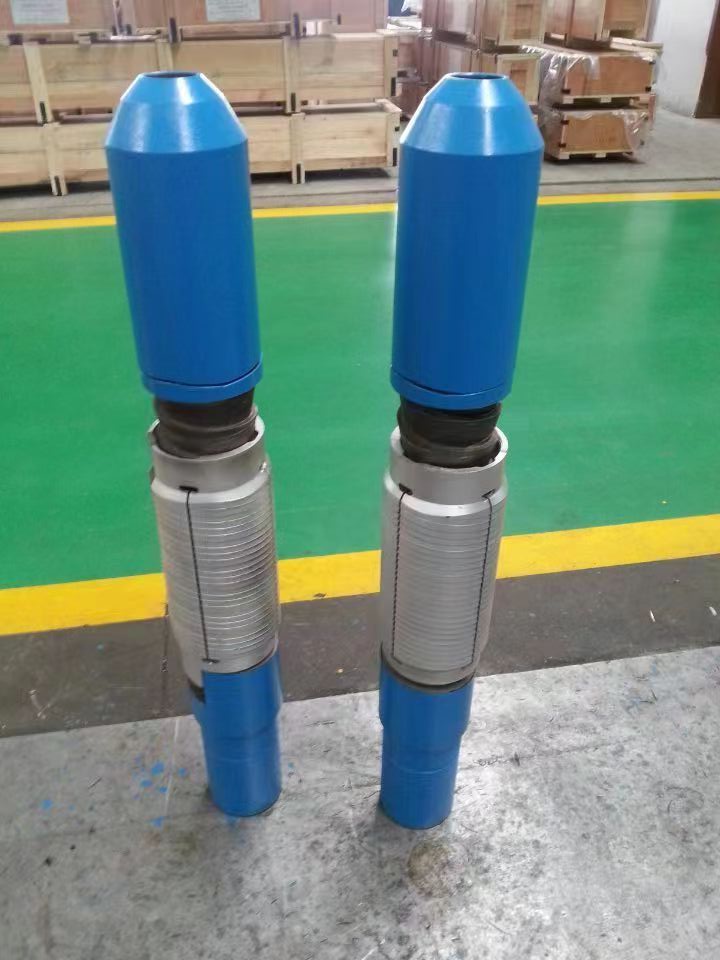
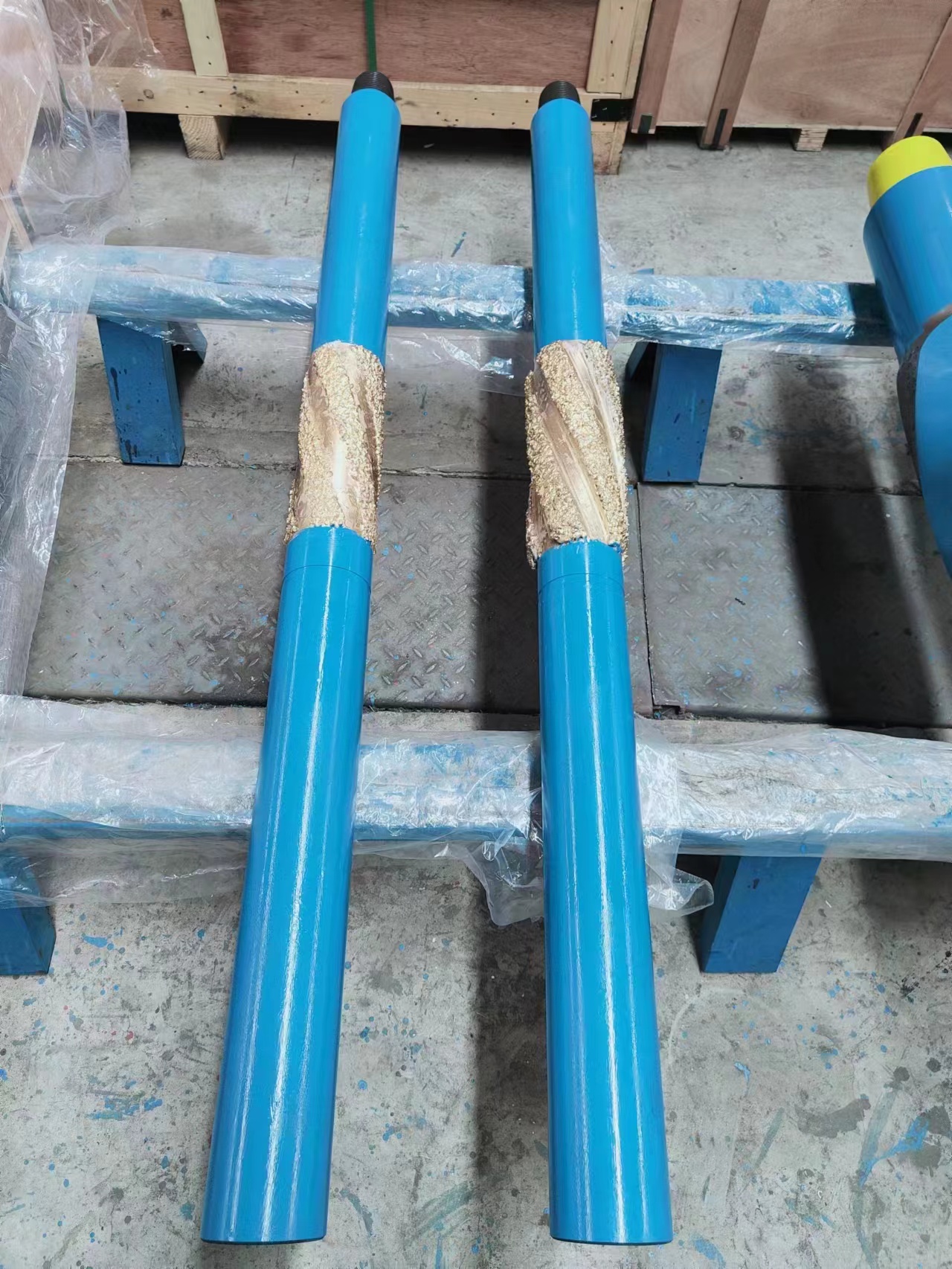
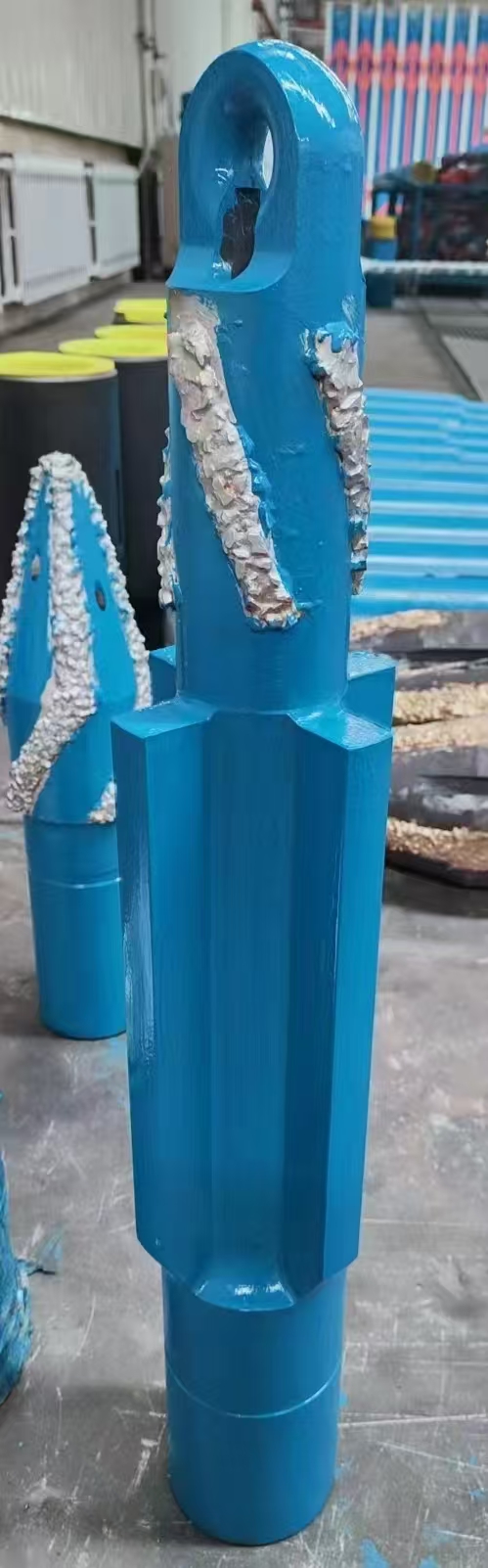
6. String Mill (钻柱磨鞋)
Design & Cutting Structure: Features spiral-fluted, carbide-dressed blades positioned between upper and lower API connections for inline BHA integration
. Primary Application: Run directly in the drill string above a pilot mill or bit to clean out rough casing windows, remove keyseats, and ream collapsed or tight casing intervals
.
7. Pilot Mill (领眼磨鞋)
Design & Cutting Structure: Equipped with a lower guide stinger (pilot) that enters the ID of tubular fish, paired with an upper carbide-dressed cutting crown
. Primary Application: Engineered specifically for milling out washpipe, casing, liner tops, and stuck tubing strings while keeping the mill strictly centered to protect surrounding casing walls
.
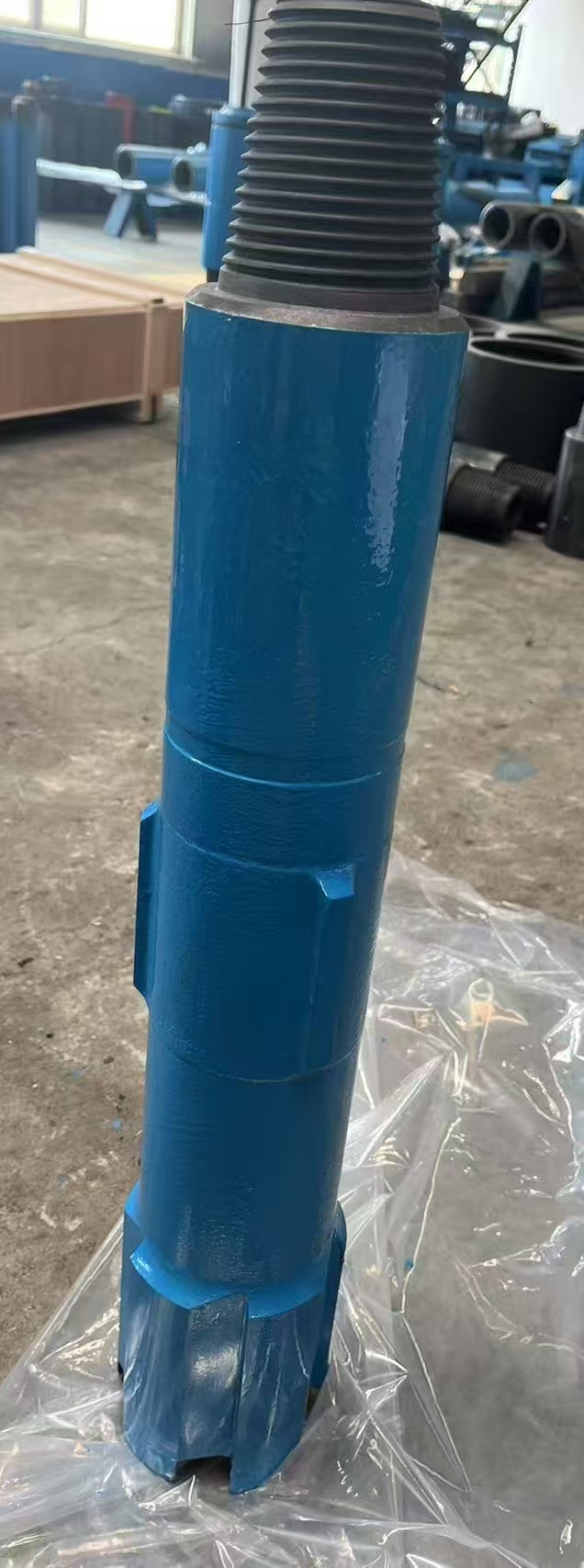
8. Skirted Junk Mill (裙式磨鞋)
Design & Cutting Structure: Combines a flat or concave tungsten carbide cutting face with an extended outer steel guide skirt (sleeve)
. Primary Application: The outer skirt corrals loose fish and guides the cutting face directly over uneven tubular tops or off-center junk, preventing the mill from sidetracking into the casing wall
.
Technical Specifications & Selection
| Tool Name | Cutting Profile | Primary Downhole Function | Cutting Material Options | Standard Connection |
Flat Bottom Junk Mill | Flat Face | Milling heavy bottom-hole junk, bit cones & packers | Crushed Tungsten Carbide / PDC | API Spec 7-1 Reg / IF Pin |
Taper Mill | Tapered Cone | Reaming collapsed casing & dressing casing windows | Crushed Tungsten Carbide | API Spec 7-1 Reg / IF Pin |
Concave Mill | Recessed Concave | Centering & grinding loose/round junk (cones, balls) | Crushed Tungsten Carbide | API Spec 7-1 Reg / IF Pin |
Economill | Multi-Blade Face | Fast, economical drill-out of plugs, packers & cement | Crushed Tungsten Carbide / PDC | API Spec 7-1 Reg / IF Pin |
Bladed Junk Mill | Heavy Vertical Blades | High-speed milling of stuck pipe & heavy obstructions | Crushed Tungsten Carbide / PDC | API Spec 7-1 Reg / IF Pin |
String Mill | Spiral Inline Blades | Window clean-out, keyseat removal & casing reaming | Crushed Tungsten Carbide | API Spec 7-1 Box x Pin |
Pilot Mill | Guide Stinger + Crown | Concentric milling of casing, liner & tubing tops | Crushed Tungsten Carbide / PDC | API Spec 7-1 Reg / IF Pin |
Skirted Junk Mill | Internal Face + Outer Skirt | Capturing off-center fish & protecting casing walls | Crushed Tungsten Carbide | API Spec 7-1 Reg / IF Pin |
Engineering & Manufacturing Standards
Premium Body Metallurgy: Machined from vacuum-degassed, heat-treated AISI 4145H Modified alloy steel (285–341 HBW) for superior torsional strength and impact resistance.
High-Density Carbide & PDC Dressing: Brazed with high-purity crushed sintered tungsten carbide in a tough nickel-bronze matrix—or fitted with impact-resistant PDC cutters—for maximum metal-shaving efficiency without matrix spalling.
Optimized Hydraulic Flushing: Engineered with large circulation ports and deep junk slots to ensure rapid cooling of the cutting face and continuous lifting of metal cuttings to surface ditch magnets.
Full Quality Traceability: Every tool undergoes 100% UT/MT non-destructive testing, API thread gauge verification, and ships with complete EN 10204 3.1 Material Test Reports (MTRs).
Global Supply Chain & Export Readiness
Fast-Track 35–45 Day Delivery: Maintained bar-stock inventories and dedicated carbide brazing lines ensure standard and custom OD milling tools dispatch within 35 to 45 days.
Custom OD & Connection Tailoring: Available across all standard casing and open-hole sizes (from 2-3/8″ up to 26″ OD), with custom skirt lengths, pilot diameters, and API connections tailored to your well schematic.
Export-Grade Protection: Shipped with heavy-duty steel thread protectors, rust-preventative coatings, and reinforced export crating for safe global ocean and air freight.
Frequently Asked Questions
Q1: When should I choose a Concave Mill or Skirted Junk Mill instead of a Flat Bottom Junk Mill?
Answer: Use a Flat Bottom Junk Mill for stationary, heavy debris sitting firmly on bottom
Q2: What is the difference between a Pilot Mill and a Taper Mill for casing remediation?
Answer: A Pilot Mill features a lower guide stinger that fits inside the tubular ID to mill away sections of casing, liner, or tubing concentrically from the top down
Q3: Can your milling tools be dressed with PDC cutters instead of crushed tungsten carbide?
Answer: Yes. While standard models use high-density crushed sintered tungsten carbide for tough alloy steel debris, we offer PDC-dressed configurations (especially on Flat Bottom, Bladed, Economill, and Pilot Mills) for high-speed milling of composite plugs, cast iron, brass, and soft-to-medium steel components
Q4: Are your milling tool connections compliant with API Spec 7-1 standards?
Answer: Yes. All upper and lower rotary shouldered connections (such as API Regular, IF, and FH) are precision CNC-machined and gauged in strict compliance with API Spec 7-1, ensuring 100% compatibility with standard drill collars, mud motors, and fishing jars.
Q5: What is your standard lead time and quality documentation package for milling tools?
Answer: We offer a fast-track 35–45 day delivery timeline for both standard and custom-sized milling tools. Every shipment includes full MTRs (Material Test Reports), UT/MT inspection certificates, and thread gauge verification records.
-
PRODUCT CLASSIFICATION
Triplex Mud Pump Pressure Control Equipment Handing Tools Drilling Equipment Downhole Tools Tubular Goods Wellheads Christmas Tree Components Pumping Units -
ABOUT US
CORPORATE CULTURE PRODUCT INTRODUCTION SERVICE TENET -
CONTACT US
+086-13182677210 WhatsApp:+8613182677210Linkedin:lilyzhang7 Wechat:lilyz017
+8613182677210
lily.zhang@quickoilfield.com
lilyz017